VIP transportation for diplomatic travel begins before an official guest reaches the curb. The vehicle and meeting point should already be confirmed, and the receiving party should know where to welcome the guest. Passenger assignments, luggage arrangements, and the first destination should also be settled.
A diplomatic arrival rarely stands alone. It may begin a state visit or lead into a summit, consular program, cultural engagement, or private meeting. The principal guest may be accompanied by officials, interpreters, security personnel, and hosts. Although they support the same visit, they may not follow the same itinerary.
Well-arranged VIP transportation gives those movements a calm, coordinated structure. The guest receives a composed welcome. The host retains oversight. Everyone involved knows what happens next.
A Diplomatic Arrival Speaks Before Anyone Does
The first few minutes after an official guest arrives can shape the tone of the visit. A representative waiting in the correct place, a chauffeur who understands the pickup plan, and a vehicle prepared for the passenger party all communicate care without turning the welcome into a performance.
The opposite is equally noticeable. If the vehicle is at the wrong terminal, the receiving party is searching for the guest, or the luggage does not fit, attention moves away from the purpose of the visit.
This is why VIP transportation should be treated as part of diplomatic hospitality. It connects the formal schedule with the practical details that allow the guest to move through it comfortably.
The aim is not ceremony for its own sake. It is a welcome that feels assured, respectful, and appropriate to the person arriving.
Know Who the Journey Is Serving
“Diplomatic traveler” can describe very different passengers. An ambassador may need a direct journey to an official residence, while a ministerial delegation divides between meetings. A consular or cultural delegation may travel with interpreters, documents, and several public engagements ahead.
An embassy protocol officer may oversee the complete visit while an executive assistant manages one principal’s movements. A government office, consulate, international organization, or host institution may each control a different part of the schedule.
Good VIP transportation starts by identifying three things:
- Who is the principal guest, and who travels with them?
- Who is authorized to confirm or change the itinerary?
- Which movements belong to the delegation, and which require separate arrangements?
Once those roles are clear, the guest does not need to answer every operational question or hear the complete schedule repeated throughout the day.
VIP Transportation Starts With the Protocol Brief
A useful transportation brief does more than list addresses. It shows how each stage of the visit connects. Before the first pickup, REL should receive the confirmed arrival details, passenger names where appropriate, preferred forms of address, luggage expectations, vehicle assignments, destinations, and reliable contacts. Any interpreter, aide, security representative, or receiving official should appear in the passenger plan.
The brief should also identify any details that affect the welcome:
- The agreed meeting point and receiving party
- The order in which passengers will travel
- Whether flags, signage, or a name board have been requested and authorized
- Which entrance should be used at the destination
- Whether luggage, documents, or accompanying staff need another vehicle
- Who can approve a timing, passenger, or destination change
Not every journey requires elaborate ceremony. The VIP transportation plan should simply match the formality the host has chosen. A discreet hotel pickup and an official airport welcome can both be correct.
Privacy Lives in the Small Decisions
Privacy is not created by describing a service as discreet. It comes from limiting unnecessary exposure at every stage of the journey.
Passenger details should stay with the people who need them. Chauffeurs need clear pickup and destination information, but not unrelated meeting details. One representative may need the arrival time while another only needs the hotel departure.
Thoughtful VIP transportation keeps each person’s access limited to the information they need. This reduces unnecessary exposure while allowing the journey to remain coordinated.
The vehicle also gives the guest a quieter interval between public commitments. A diplomat may review notes, speak with an aide, or pause before the next formal setting. A private car service supports that separation without making privacy feel theatrical.
Where an official protective detail is involved, the transportation plan should follow the instructions of the authorized security and protocol contacts. The chauffeur service complements that structure by keeping its own role clear.
One Delegation Can Have Several Schedules
A delegation may arrive together and separate within the hour. The principal could continue to a bilateral meeting while staff members travel to a hotel. An interpreter may be needed at one location, media representatives at another, and accompanying family members somewhere else entirely.
Keeping everyone within one VIP transportation plan does not mean asking them to share one vehicle or timetable. It means the coordinator can see how those different journeys relate.
The plan might include:
- A dedicated vehicle for the principal and selected officials.
- A second vehicle for aides, interpreters, or accompanying representatives.
- Separate luggage movement when the passenger vehicle should remain uncluttered.
- A later pickup for team members whose commitments end at a different time.
A corporate transportation service can help an embassy, institution, or host organization coordinate those connected passenger groups. If a reception, summit, or formal dinner is part of the visit, event transportation can bring invited guests and delegation movements into the wider schedule without confusing them with the principal’s itinerary.
The Vehicle Should Suit the Role, Not Just the Headcount
The vehicle should reflect who is traveling, what they are carrying, how much privacy they need, and whether they remain together after arrival.
An executive car service may suit a principal traveling with one aide. An SUV can provide additional room for passengers, formal clothing, or luggage. A Sprinter may work better for a delegation that needs to stay together between engagements.
Sometimes the most appropriate arrangement uses more than one vehicle. Separate vehicles can give the principal privacy while allowing staff members to follow their own responsibilities.
The right VIP transportation arrangement should feel effortless once the doors open. Passengers know where they belong, belongings have suitable space, and nobody has to reorganize the delegation at the curb.
Formal Does Not Have to Feel Stiff
Diplomatic protocol creates clarity, but the experience can still feel warm. A guest should not feel as though they have entered a sequence of instructions the moment they land.
Small details make the welcome more human: using the guest’s preferred form of address, allowing time after a long flight, and sharing meeting instructions in plain language.
A VIP chauffeur service should be courteous without becoming intrusive. The receiving party should be visible, and the vehicle should be prepared without drawing unnecessary attention.
This balance is central to VIP transportation. The service respects titles, schedules, and formal responsibilities while remembering that the passenger may also be tired, unfamiliar with the city, or preparing for an important conversation.
Keep Changes Quiet and Controlled
Official itineraries can change even when they have been carefully prepared. A meeting may run longer, an arrival time may shift, or the delegation may add a private stop. The guest should not have to watch the transportation plan being rebuilt around them.
One decision-maker should send confirmed revisions. REL can update the relevant chauffeur or vehicle without distributing the entire itinerary again, while unaffected movements continue as arranged.
An hourly car service may suit a principal or small delegation whose day includes several engagements within a reserved period. The same vehicle can remain connected to the itinerary while the confirmed timing develops.
Responsive VIP transportation is not improvised transportation. The original plan provides the structure; clear communication makes measured changes possible.
How REL Keeps the Welcome Connected
REL approaches diplomatic travel as a series of related moments. The arrival, hotel, meetings, official functions, and departure can sit within one transportation plan while different passengers follow different schedules.
Share the passenger structure, itinerary, arrival details, luggage requirements, preferred vehicles, protocol contact, and approved instructions. REL can then match each chauffeur and vehicle with the appropriate passenger, pickup, and destination.
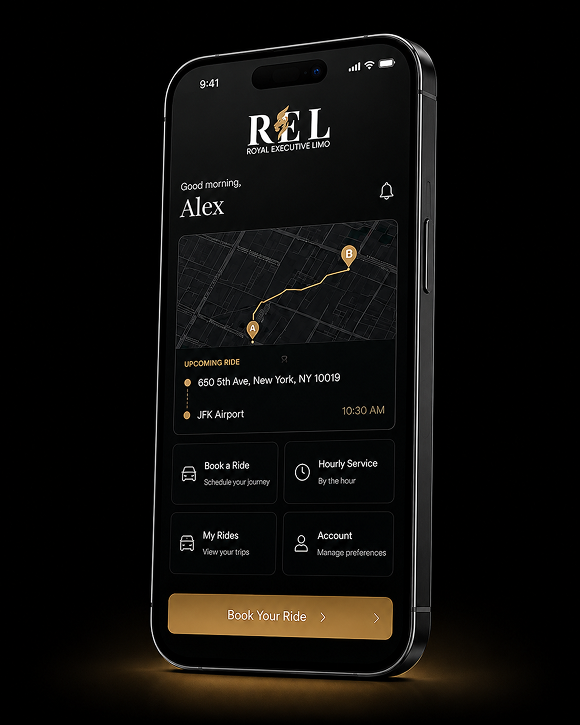
The REL App gives travelers and approved coordinators access to upcoming reservations, chauffeur tracking, and contact options. That visibility helps the host follow the VIP transportation plan without placing every update in front of the principal guest.
REL’s role remains deliberately understated. The service supports the visit by making each transition feel prepared, from the first welcome to the final departure.
Let the Arrival Set the Right Tone
A diplomatic visit may be remembered for the conversation in the room, the agreement reached, the relationship strengthened, or the community welcomed. Transportation should create the conditions for those moments without competing with them.
Well-prepared VIP transportation brings together protocol, privacy, passenger needs, and practical timing. It allows a delegation to arrive with confidence, separate when the schedule requires it, and continue without unnecessary disruption.
If you are arranging travel for an ambassador, minister, consular official, delegation, or international guest, share the itinerary and protocol requirements with REL. We will coordinate the VIP transportation so every arrival feels considered and every next step is clear.
Frequently Asked Questions
What is diplomatic VIP transportation?
Diplomatic VIP transportation is a prearranged chauffeur service coordinated around an official guest’s itinerary, privacy needs, protocol, and accompanying team.
Who should coordinate transportation for an official delegation?
One authorized contact, such as a protocol officer, delegation coordinator, or executive assistant, should manage the itinerary and communicate important changes.
Can a delegation use several vehicles and schedules?
Yes. Separate vehicles and schedules can be coordinated for the principal, accompanying officials, staff, family members, and luggage.
Can airport pickup be included in diplomatic transportation?
Yes. VIP transportation can include an airport chauffeur service connecting official guests with their hotel, residence, embassy, consulate, meeting, or function.
Is hourly service suitable for a diplomatic itinerary?
It can be useful when a principal or delegation has several engagements and needs the same vehicle available during a reserved period. Share the expected schedule so REL can help determine whether hourly service fits the itinerary.
Can an embassy or coordinator follow the chauffeur’s arrival?
The REL App allows approved travelers and coordinators to review upcoming reservations, track the chauffeur, and make contact when needed. It gives the organizing team clearer visibility while keeping communication around the principal guest simple.