NYC Marathon transportation matters when the medal is finally around the runner’s neck and the body begins to understand what 26.2 miles demanded. The runner must still leave the secured finish area, reunite with family, reach the vehicle, and continue to a hotel, celebration, or somewhere quiet.
The 2026 TCS New York City Marathon makes that moment especially meaningful. On November 1, runners will mark the 50th anniversary of the five-borough course before finishing in Central Park.
Months of training lead to the finish line. What happens afterward deserves its own plan.
The Finish Line Is a Moment, Not a Pickup Point
Crossing the line can feel like the whole city has narrowed to one extraordinary second. The timing mat passes beneath the runner’s feet. A medal follows. Volunteers, medical teams, fellow finishers, and the sound of Central Park fill the space that exhaustion had occupied moments earlier.
Then the runner keeps moving.
The post-finish area is controlled for participant safety and event operations. Runners follow the designated exit process before reaching the Family Reunion area or another agreed location. Vehicles cannot wait beside the finish line, and families should not expect an immediate reunion outside the park.
Effective NYC Marathon transportation begins with that reality. Instead of promising an impossible curbside collection, the itinerary should use an accessible meeting point beyond the restricted area. The runner and supporters know which meeting point they are moving toward, even if the exact finish and exit times shift.
Fifty Years Across Five Boroughs
The NYC Marathon 2026 is more than another edition of a world-famous race. It celebrates 50 years since the marathon expanded into the five-borough course that transformed it into a moving portrait of New York.
The day begins on Staten Island and rises onto the Verrazzano-Narrows Bridge. Brooklyn brings miles of neighborhood energy. Queens leads toward the surge of Manhattan crowds, and the Bronx adds the final borough before runners return to Central Park.
By the finish, the runner has not simply completed a race; they have experienced New York in a way few other events make possible.
That scale makes the celebration thrilling, but it also means the city around the course is still moving through closures, crowds, and changing access. NYC Marathon transportation must respond to the conditions beyond the finish rather than relying on the route that would work on an ordinary Sunday.
NYC Marathon Transportation Begins After the Medal
The first hour after a marathon can feel wonderfully unpredictable. One runner may be eager to see family. Another may need time to walk slowly through the post-finish area. Someone who expected to celebrate immediately may decide that warm clothing and a quiet seat come first.
A useful NYC Marathon transportation plan leaves room for those differences. Before race morning, confirm:
- The runner’s expected finish range rather than one exact minute
- The agreed reunion location outside restricted areas
- Who will carry the runner’s phone, coat, change of shoes, or other essentials
- Which person will communicate when the runner exits
- The destination after pickup
- A second contact in case mobile service becomes congested
These details allow NYC Marathon transportation to follow the runner’s actual progress. The plan remains clear without treating the estimated finish time as a guarantee.
The Reunion Deserves Its Own Plan
For many runners, seeing a familiar face after the finish is almost as emotional as receiving the medal. Supporters may have spent hours tracking progress, cheering from the course, and moving toward the reunion area.
Agree on one meeting location before the race, and make sure everyone knows it by name rather than only through a map pin. Families should also decide whether the runner will meet them first or continue toward the vehicle.
If children, older relatives, donors, or invited guests are attending, they may prefer to wait somewhere more comfortable than a crowded sidewalk. Their NYC Marathon transportation can remain separate from the runner’s pickup while still leading everyone toward the same hotel, restaurant, or private celebration.
This keeps the reunion personal. The runner is not responsible for directing several people through Manhattan while tired, cold, or surrounded by thousands of other finishers.
Give the Runner Space to Come Down From the Race
The energy does not disappear at the finish. Runners may still be replaying the final miles or trying to take in what they have achieved.
A private vehicle offers a gentler transition. Warm clothing, comfortable shoes, and personal belongings can be ready with the accompanying party. For runners seeking a quieter return, luxury chauffeur service NYC provides a private setting for calling family, sharing the first stories from the course, or simply taking in the achievement.
Vehicle choice should reflect more than passenger count. The runner may need easy entry and space for race bags, coats, signs, or belongings. Separate vehicles may also suit runners finishing at widely different times.
The purpose of NYC Marathon transportation is not to rush the runner away. It is to make the next part of the day easier when energy and priorities can change quickly.
One Finish Can Lead to Several Celebrations
Some runners want a shower and sleep. Others have spent months imagining the meal they will eat with family. Charity runners may join teammates and donors, while professional athletes or brand representatives may still have media, sponsor, or recovery commitments.
The next stop could be:
- A hotel or residence
- A recovery or wellness appointment
- A family meal
- A charity-team reception
- A sponsor gathering
- A media appearance
- A private celebration with friends
An hourly car service can suit a runner or hosted guest whose post-finish plans include several destinations during a reserved period. An executive car service NYC can support athletes, sponsors, or representatives continuing to professional engagements after the race.
The itinerary does not need to make the celebration rigid. It simply gives the NYC Marathon transportation plan a clear destination once the runner is ready to leave.
Different Finish Times Need Different Expectations
A marathon group may begin the day together without finishing together. Friends can enter different waves, charity teammates may run at different paces, and one participant may need more time on the course than expected.
Trying to connect every pickup to one shared departure can leave tired runners waiting or supporters repeatedly changing plans. A better arrangement groups passengers by likely finish window and post-race destination.
One vehicle might collect the first runner and immediate family for a hotel return. Another may remain connected to a later finisher. Guests attending the same dinner can meet there rather than waiting for every member of the group near Central Park.
This is where NYC Marathon transportation becomes less about one car and more about respecting how each person completes the day.
Out-of-Town Runners Have Another Journey Ahead
For visiting runners, the weekend may begin with the Expo, Opening Ceremony, Parade of Nations, and the anticipation of experiencing the five-borough course. Their luggage may include race shoes, kit, recovery items, and everything required for a New York stay.
An airport chauffeur service can connect the airport with the runner’s hotel before race weekend begins. After the marathon, that same wider itinerary can include the hotel, a recovery day, a celebratory dinner, and the return airport journey.
When possible, international travelers should leave enough time to recover, collect their belongings, and enjoy the achievement before returning to the terminal.
For visiting runners, NYC Marathon transportation allows the finish to remain the high point of the trip instead of becoming the start of another rushed journey.
How REL Handles the Post-Finish Journey
REL coordinates NYC Marathon transportation around the runner’s likely finish window, accessible meeting point, passenger group, belongings, and next destination. Because race-day access can change, the final pickup instructions should reflect current event restrictions and conditions.
The runner does not need to manage every detail from the course. A family member, assistant, team representative, or other designated contact can communicate when the runner has exited the secured area and is ready to continue.
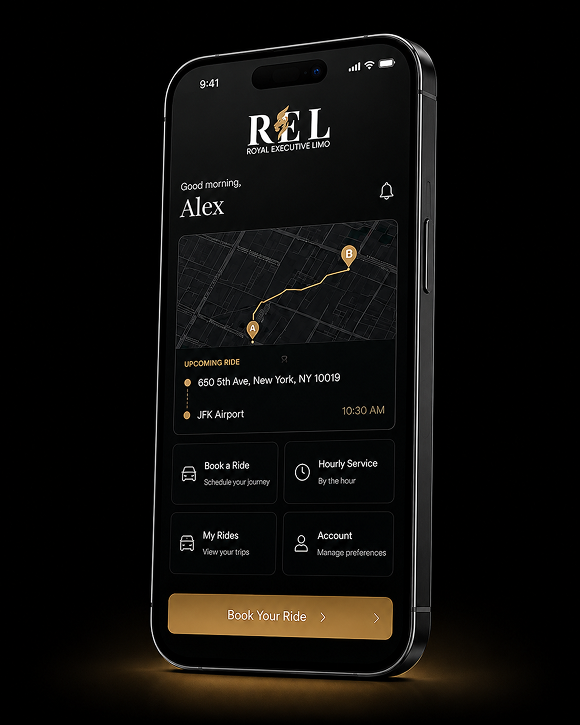
The REL App allows travelers and approved coordinators to review the reservation, track the chauffeur, and make contact when needed. That visibility is especially useful when the runner and supporters approach the pickup location from different directions.
Let the Achievement Have Room to Land
The TCS New York City Marathon asks runners to meet the city at its loudest, steepest, and most generous. For 26.2 miles, strangers call their names, volunteers keep them moving, and five boroughs carry them toward Central Park.
The moments after the finish are quieter but no less important. The runner sees family, feels the weight of the medal, changes into warm clothes, and begins to understand that the goal they trained toward is now behind them.
Well-prepared NYC Marathon transportation gives that achievement room to settle. It connects the reunion, the vehicle, and whatever the runner wants the rest of the day to become.
Share the likely finish window, meeting location, passenger group, and post-race plans with REL. We will coordinate the NYC Marathon transportation while you focus on the medal, the people waiting for you, and the first moments after 26.2.
Frequently Asked Questions
When is the 2026 TCS New York City Marathon?
The race takes place on Sunday, November 1, 2026. It marks the 50th anniversary of the marathon’s five-borough course through Staten Island, Brooklyn, Queens, the Bronx, and Manhattan.
Where does the New York City Marathon finish?
The New York City Marathon finishes in Central Park. Runners continue through a controlled post-finish area before exiting toward the designated reunion locations.
Can a chauffeur collect a runner directly at the finish line?
No vehicle can wait at the actual finish line. NYC Marathon transportation should use an accessible meeting point outside the secured area and follow current race-day access instructions.
How should families meet runners after the marathon?
Choose a specific reunion point before race day and designate one person to communicate with the runner. A clear NYC Marathon transportation plan should name the meeting location without relying only on a live map pin, as crowds may affect mobile service.
Can REL accommodate a hotel return and a post-race celebration?
Yes. The reservation can include a hotel, restaurant, charity reception, or another confirmed destination. The REL App also lets approved travelers review the trip, track the chauffeur, and make contact when needed.