Event transportation takes on a different meaning when ten emerging labels arrive at one gala and only one will leave as the newest CFDA Vogue Fashion Fund winner. For each finalist, the evening represents months of work, industry introductions, collection presentations, and conversations about where the brand could go next.
The designers may share the same program, but their teams will not arrive from the same place or follow identical plans. Founders, assistants, publicists, stylists, mentors, and invited guests may all play a part in the evening. Effective event transportation calls for more than one group pickup. It requires a plan that respects how each label works.
Ten Distinct Visions Reach the Same Finale
The 2026 Fashion Fund class reflects the range of America’s independent fashion scene. The finalists are Aisling Camps, Amir Taghi, Terrence Zhou of Bad Binch TongTong, Emily Dawn Long, Jamie Haller, Julia Ferentinos of Juju Vera, Zane Li of Lii, George Inaki of Milamore, Claire Sullivan of Miss Claire Sullivan, and Zoe Gustavia Anna Whalen.
The group spans womenswear, gender-inclusive design, and jewelry, with Juju Vera and Milamore representing the jewelry category. Each finalist has a distinct point of view, audience, and way of building a business. Together, they form a class that the CFDA and Vogue have positioned as a reflection of the diversity, resourcefulness, and creativity shaping American fashion.
That individuality is what makes the gala compelling. The night is not simply a competition among ten similar brands. It brings ten creative worlds into one room before revealing which designer will receive the program’s highest award.
Thoughtful event transportation should preserve those differences. Keeping all ten teams organized does not mean asking them to move as one group.
One Announcement Can Change What Comes Next
The Fashion Fund winner will receive $300,000, while two runners-up will each receive $100,000. The program also includes business mentorship designed to support the labels beyond the announcement.
For an independent designer, that support can influence hiring, production, development, distribution, and the ability to act on a new opportunity. The reveal therefore carries a significance that reaches well beyond one evening.
Before the announcement, the finalists may be preparing to meet editors, buyers, executives, mentors, and other influential members of the fashion community. Afterward, one team may be celebrating a win while another continues an important conversation started earlier in the night.
Gala event transportation needs to account for both sides of that moment: the carefully prepared arrival and the evening that may take a different direction once the result is known.
Event Transportation Starts With the Team Behind the Label
The designer may be the most visible person, but a young label rarely reaches the Fashion Fund finale alone. Everyone behind the label has a different role, and their gala schedule often reflects it.
The designer sets the evening’s pace.
Final preparation, media attention, mentor conversations, and the gala program all compete for focus. The designer needs enough time and privacy to move from getting ready to entering the room composed.
The studio team protects the details.
Assistants may travel with garments, accessories, emergency supplies, or other pieces needed before the appearance. Their journey should remain connected to the designer without assuming everyone will leave from the same location.
The stylist works against a different clock.
A final fitting or last adjustment may continue after other guests are ready. The stylist or dresser may need to arrive earlier, travel with the final look, or leave separately once preparation is complete.
The publicist follows the conversation.
Press requests, interviews, guest communication, and schedule updates may place the publicist somewhere different from the creative team. A separate pickup can preserve that flexibility without disconnecting them from the wider plan.
Mentors and invited guests bring their own itineraries.
They may be arriving from offices, meetings, hotels, or another engagement. Their transportation should reflect their schedules rather than asking them to join the designer’s preparation-day route.
Effective event transportation brings these movements into one coordinated plan. Each person receives the journey relevant to their role, while the label’s coordinator retains a clear view of how the team comes together for the gala.
One Label, Several Timelines
Even after everyone’s role is clear, the team may not be ready at the same time. Final fittings, media work, guest plans, and last-minute adjustments can create several departure windows within one label.
Each label will also arrive with different requirements. One finalist may travel with a small studio team, while another includes a business partner, stylist, publicist, and several supporters. Jewelry cases, garment bags, emergency supplies, and final-look essentials can also affect how the team travels.
The event transportation plan should therefore identify who needs to remain with the designer, who can share a vehicle, and who requires a separate pickup. It should also account for the materials traveling with each passenger and where the team may divide after the announcement.
Coordinating these details in advance keeps everyone connected without forcing the entire label onto one route or departure time. It also gives the designer room to prepare without turning every small timing change into a new transportation decision.
Let Every Arrival Reflect the Label
For each finalist, the gala arrival is shaped by personal style, anticipation, and the team behind the brand. A considered arrival gives the designer enough time and space to move from final preparation into the evening without feeling rushed.
NYC event transportation can bring designers from studios, residences, hotels, offices, or preparation suites according to their individual schedules. Team members can travel together when practical or use separate pickups when their responsibilities differ.
One Coordinator Keeps the Details Together
Each label should designate an assistant, publicist, or operations lead to manage the working event transportation plan.
That coordinator should know:
- Who is traveling in each vehicle
- Where every passenger begins the evening
- Which pickups depend on fittings or preparation
- What garments or materials are traveling
- Who may leave the gala separately
- Where each passenger plans to go afterward
This gives every traveler the details relevant to their journey without making the designer responsible for each update.
The Night May Split After the Winner Is Named
Before the announcement, the finalists share one destination. After it, the evening can move in several directions.
The winning team may continue to a private celebration or media commitment. Runners-up may join mentors, guests, or colleagues elsewhere. Other finalists may stay for conversations that matter to the future of their labels. Some guests will return to hotels or residences while team members continue into the night.
No one can predict how the night will unfold, but each team can prepare practical options for where it may lead.
An hourly car service can keep a vehicle connected to the designer during a reserved period that includes preparation, the gala, and later plans. A corporate transportation service can help coordinate business partners, mentors, or industry guests whose schedules sit alongside the creative team’s itinerary.
The wider event transportation plan can include fixed return vehicles for guests who know when they will leave and flexible arrangements for principals whose evenings may develop after the announcement.
Out-of-Town Guests Join the Story Too
The gala may bring mentors, partners, press contacts, family members, and other invited guests into New York. Their part in the evening begins before they reach the venue.
An airport chauffeur service can connect an arriving guest with a hotel, residence, office, or confirmed gala preparation point. If several invitees arrive on different flights, their pickups can remain separate while feeding into the same broader itinerary.
This allows the label’s coordinator to see how visiting guests fit into the evening without asking everyone to travel together. Their arrival becomes part of the wider event transportation itinerary rather than another last-minute task for the designer’s team.
How REL Keeps Fashion Fund Teams in Step
Share the passenger groups, preparation locations, pickup times, materials traveling with the team, and likely post-gala plans. REL can coordinate the event transportation around the way each label expects to move.
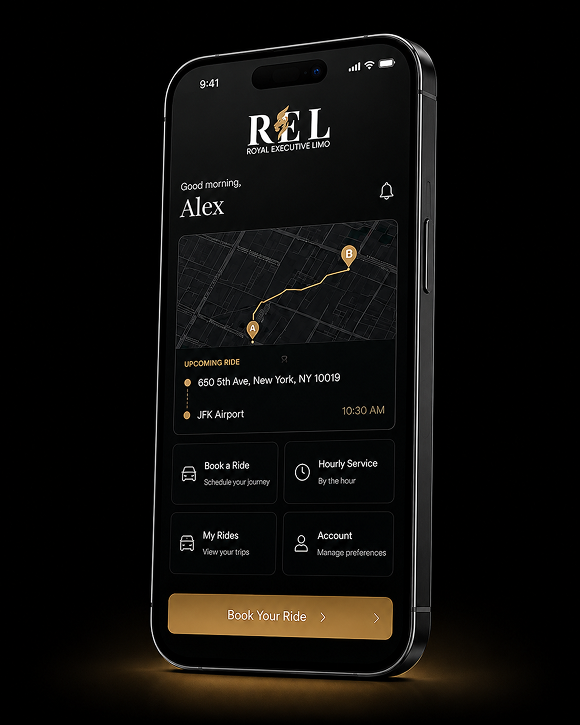
The REL App allows travelers and approved coordinators to review upcoming reservations, track chauffeurs, and make contact when needed. This keeps separate journeys visible without placing the designer at the center of every update.
Keep the Team Ready for the Moment
The CFDA Vogue Fashion Fund gala brings ten creative journeys to one decisive evening. Every finalist arrives with a body of work, a growing business, and a team that has helped turn an idea into a label recognized by the industry.
Only one designer will receive the top award, but the room holds opportunities for all ten. A conversation may lead to a new relationship. A mentor may offer the right perspective. An editor or buyer may remember the collection long after the announcement.
Well-prepared event transportation keeps the people behind each label in step without asking them to move identically. It connects preparation, guests, gala arrivals, and the possibilities that follow.
If your team is preparing for the Fashion Fund finale, share the passenger groups, pickup locations, evening schedule, and post-gala plans with REL. We will coordinate the event transportation while you focus on the reveal—and everything it could set in motion.
Frequently Asked Questions
When will the 2026 CFDA Vogue Fashion Fund winner be announced?
The winner will be announced at a celebratory dinner gala in New York City on October 20, 2026. One winner and two runners-up will receive financial awards and mentorship.
Who are the ten 2026 CFDA Vogue Fashion Fund finalists?
The finalists are Aisling Camps, Amir Taghi, Terrence Zhou, Emily Dawn Long, Jamie Haller, Julia Ferentinos, Zane Li, George Inaki, Claire Sullivan, and Zoe Gustavia Anna Whalen.
What does the CFDA Vogue Fashion Fund winner receive?
The winner receives $300,000, while two runners-up receive $100,000 each. The program also provides business mentorship to support the designers’ continued development.
Can a finalist’s team use different vehicles and pickup times?
Yes. Event transportation can accommodate separate preparation schedules, pickup points, passenger groups, and post-gala destinations within one coordinated itinerary.
How can a coordinator follow several gala reservations?
The REL App allows approved coordinators and travelers to review reservations, track chauffeurs, and make contact when needed. This keeps the evening visible even when team members use different vehicles.