What Corporate Travel Teams Often Overlook About Executive Transportation
Executive transportation matters long before a vehicle arrives at the curb. In corporate travel, small gaps in movement can disrupt an otherwise well-planned day. Flights may be booked, meetings aligned, and schedules confirmed, but the time between those moments still needs the same level of control.
A delayed pickup, an unclear handoff, or a transfer that does not adapt to the schedule can quietly affect everything that follows. It is not just about getting from one place to another. It is about protecting time, reducing friction, and keeping executives focused on what actually requires their attention. In that sense, executive transportation becomes part of how the day holds together, not just how the ride is handled.
The Gaps No One Plans For
Most corporate itineraries are built around the major commitments. Flights, meetings, presentations, client dinners. Transportation is often treated as the easiest part, something that should simply fall into place.
That assumption is usually where problems begin.
The vehicle arrives later than expected. Traffic takes longer than planned. A schedule changes, but the ride does not adjust with it. None of these issues seem major on their own, yet each one adds pressure to the day. Executives may not always call it out directly, but they feel it in the form of interrupted focus, rushed arrivals, and less room to prepare between commitments.
This is why strong executive transportation services matter. They remove uncertainty from the parts of the day that are easiest to underestimate. When movement is handled properly, the schedule feels more controlled, transitions feel smoother, and executives can stay focused on the work instead of the logistics behind it.
When Small Delays Become Bigger Problems
Most corporate travel does not break down because of one major mistake. It breaks down because of small misses that keep stacking up.
A pickup runs ten minutes behind. Traffic adds more time than expected. There is no quiet space to prepare before the next meeting. The day starts feeling tighter than it should, and the executive arrives already catching up instead of walking in composed.
That is the real problem. Lost time is only part of it. What gets affected is preparation, focus, and the ability to move into each meeting with the right level of control.
This is where executive transportation has to do more than provide a ride. It should absorb pressure before it reaches the client. Routes should already be considered. Timing should already be monitored. Adjustments should happen without turning every schedule change into a new problem to solve.
When that support is in place, the day feels different. Meetings are reached with less friction, transitions feel more stable, and executives have more room to prepare between commitments instead of recovering from the last transfer.
The Experience You Don’t Notice Until It’s Missing
The best executive travel support rarely draws attention to itself. That is exactly the point.
When pickup timing is right, routes are already considered, and the day moves without unnecessary pauses, executives are free to stay focused on the work in front of them. They are not checking arrival times, reworking the next stop, or losing valuable minutes to avoidable gaps in coordination.
That kind of consistency solves a real problem. Corporate schedules are already demanding. The space between meetings should help executives prepare, reset, or handle the next decision, not absorb more friction.
This is where executive transportation changes the quality of the day. It creates a smoother transition between airport arrivals, offices, hotels, and meeting locations, so movement supports performance instead of interrupting it.
When that structure is missing, the difference becomes obvious very quickly. The day feels less controlled, less efficient, and harder to manage than it should.
When the Schedule Cannot Afford Gaps
This is where the difference between a basic ride and a real travel solution becomes clear.
Corporate teams are not just managing one pickup. They are managing airport arrivals, hotel departures, office meetings, client dinners, last-minute changes, and the pressure of keeping everything aligned without draining the executive in the process.
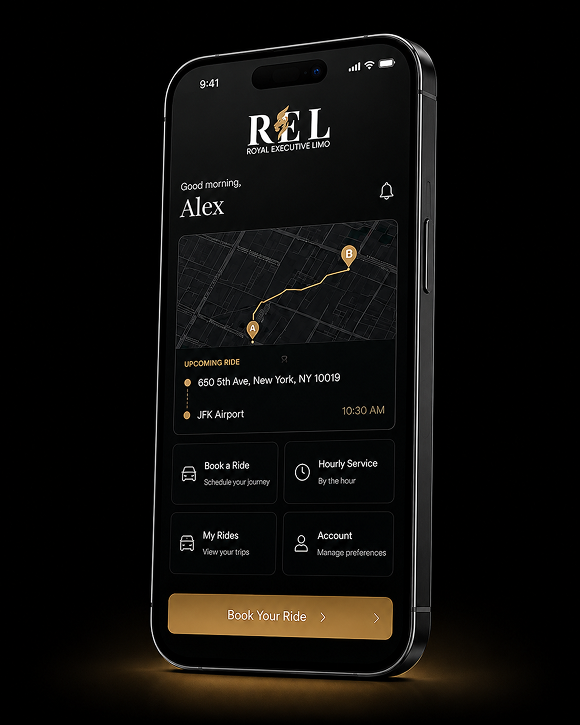
That is where REL steps in with a more structured approach to executive transportation.
Some schedules begin with an executive airport transfer and continue straight into meetings across the city. Others require the flexibility of hourly chauffeur service so the vehicle stays aligned with a day that keeps shifting. For teams managing broader movement across meetings, venues, and business appointments, corporate transportation and corporate chauffeur service become part of keeping that schedule intact rather than forcing the day into disconnected bookings. The benefit is not just convenience. It is continuity.
Instead of solving each transfer as a separate task, the movement is handled as part of one larger schedule. That reduces friction for corporate teams, creates a smoother experience for the executive, and keeps the day from losing momentum between commitments.
That is what better executive transportation services should do. Not just move someone from one point to another, but support the pace, timing, and professionalism the rest of the day depends on.
Professionalism Is Felt Before the Meeting Starts
By the time an executive walks into a meeting, part of the impression has already been formed. A rushed arrival, an unclear pickup, or a service that feels inconsistent can shift the tone before a conversation even begins. Corporate teams work hard to prepare the meeting itself, but the lead-up matters too. The arrival should feel composed, well managed, and in step with the level of the business being discussed.
This is where the right executive limo or luxury car chauffeur service adds value beyond transportation alone. It supports a more polished arrival, protects privacy, and helps executives move into important meetings without carrying visible stress from the trip itself. Strong executive transportation also signals preparation before a word is exchanged. For companies that regularly host clients, senior leadership, or outside stakeholders, that consistency matters. It reflects preparation, attention to detail, and a higher standard of care, all before a word is exchanged.
The Space Between Meetings Should Still Work for You
For many executives, the time between commitments is not downtime. It is where they review notes, return calls, prepare for the next conversation, or simply reset before walking into another high-stakes room. That only happens when the ride itself supports it.
A well-managed executive transportation experience gives that time back. The environment is quieter, the movement feels more settled, and there is less need to think about timing, directions, or the next pickup. Instead of losing energy to logistics, executives can stay focused on what the rest of the day requires.
This is one of the more overlooked strengths of strong executive transportation services. The value is not only in reaching the destination on time. It is in making the time in between more useful, more private, and easier to rely on.
Why Standard Ride Options Fall Short for Executive Travel
Not every transportation option is built for executive schedules, and that difference becomes obvious when the day is tightly structured.
Standard ride services are designed to complete a trip. Executive travel needs more than that. It needs timing that can hold up under pressure, coordination that adapts when plans shift, and a level of consistency that does not force the passenger to keep checking, confirming, or adjusting along the way.
That gap matters more than many teams realize. A business day may involve an airport arrival, a hotel stop, a client meeting, an internal presentation, and a dinner reservation, all within a narrow window. When each transfer is treated as a separate booking, the day becomes easier to disrupt. One delay can affect the next arrival, reduce preparation time, and create pressure that carries into the rest of the schedule.
This is why stronger executive transportation services are not just about comfort. They are about creating a more dependable structure around the day itself. The goal is not simply to provide a vehicle. It is to remove the friction that comes from disconnected travel decisions.
For corporate teams, that reliability is valuable because it supports more than logistics. It supports focus, professionalism, and a better experience for the executive at every stage of the day. And when that standard is in place consistently, the difference is felt long before anyone thinks to mention the ride itself.
A Stronger Way to Move Through the Day
Corporate travel rarely falls apart all at once. More often, it loses shape in small places — a delayed pickup, a rushed arrival, a gap between stops that should have been handled better. Over time, those moments affect more than timing. They affect preparation, presence, and how confidently the day moves forward.
That is why executive transportation deserves more attention than it usually gets. When it is handled well, it protects the parts of the day that matter most: focus before a meeting, composure on arrival, and the ability to move from one commitment to the next without losing rhythm. For corporate teams, that is not a minor detail. Good executive transportation is part of how stronger schedules stay strong.